Marine hydraulic systems are essential for the safe and efficient operation of critical onboard equipment such as cranes, winches, steering gear, and cargo handling machinery. These systems depend on accurately functioning valves and electronic control mechanisms to regulate hydraulic fluid pressure, manage directional flow, and maintain equipment stability during lifting and maneuvering operations. In UAE marine environments, marine hydraulic valves and control systems play a vital role in maintaining pressure control, ensuring load stability, and supporting reliable performance of hydraulic-driven equipment under demanding offshore conditions.
Role of Valves in Marine Hydraulic Systems
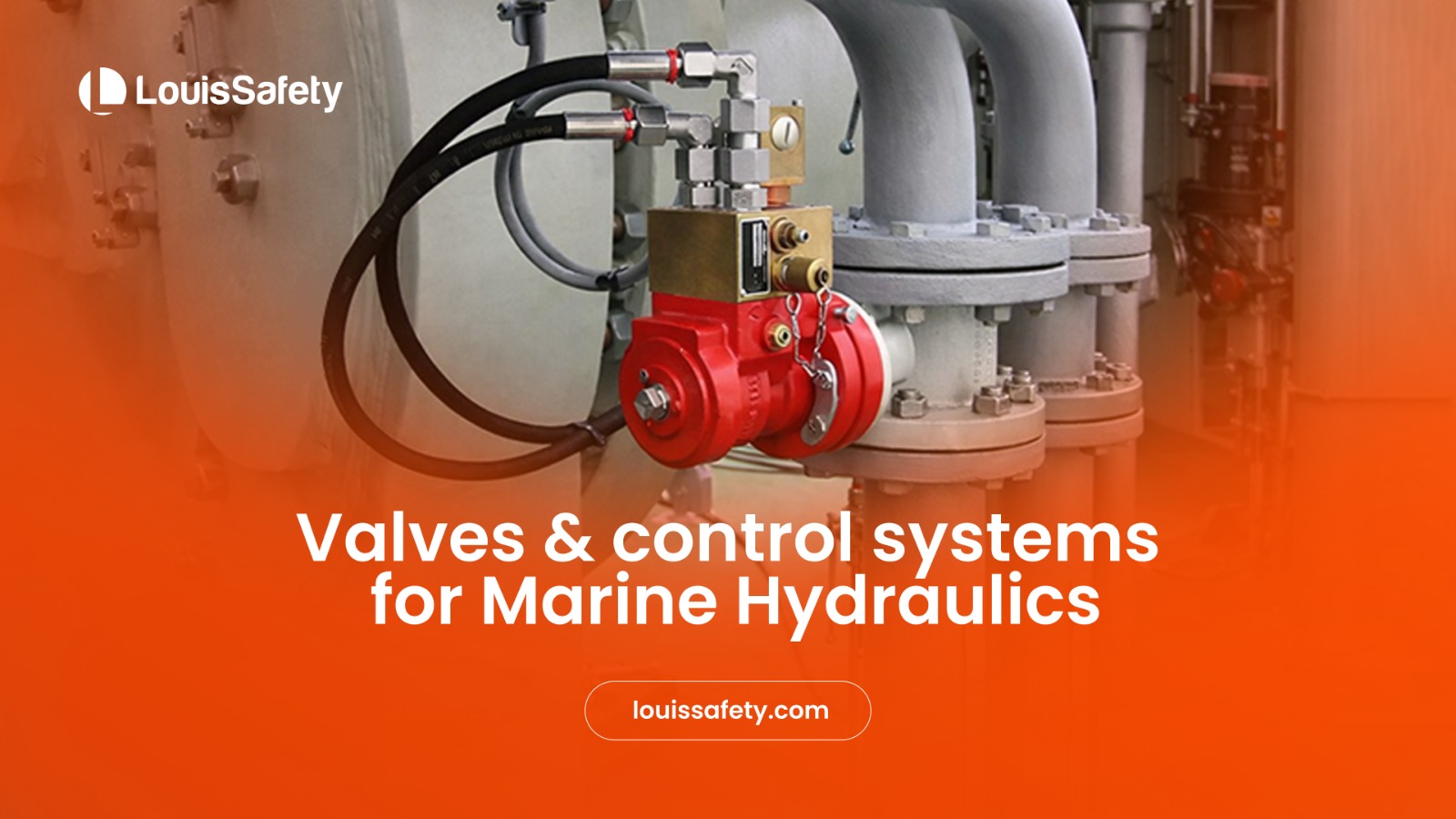
Hydraulic valves are fundamental components that control the movement and pressure of hydraulic fluid within onboard systems. These valves ensure that hydraulic machinery operates within safe engineering limits by managing:
- Fluid direction
- Flow rate
- Pressure levels
- Load movement
- Actuator speed
- Emergency shutdown conditions
Properly functioning valves enable stable operation of hydraulic equipment and help prevent mechanical stress or pressure-related system failure during lifting operations.
Importance of Control Systems in Hydraulic Operations
Hydraulic control systems integrate sensors, solenoid valves, and pressure regulators to ensure accurate system response under varying operational loads. These electronic controls are essential for:
- Maintaining stable lifting operations
- Monitoring system pressure conditions
- Controlling actuator movement
- Preventing hydraulic overload
- Improving equipment response time
- Reducing vibration-related stress
Reliable hydraulic valves and control system help improve operational safety and reduce the risk of actuator instability during offshore operations.
Types of Hydraulic Valves Used in Marine Applications
Marine hydraulic systems utilize a range of control valves depending on equipment function:
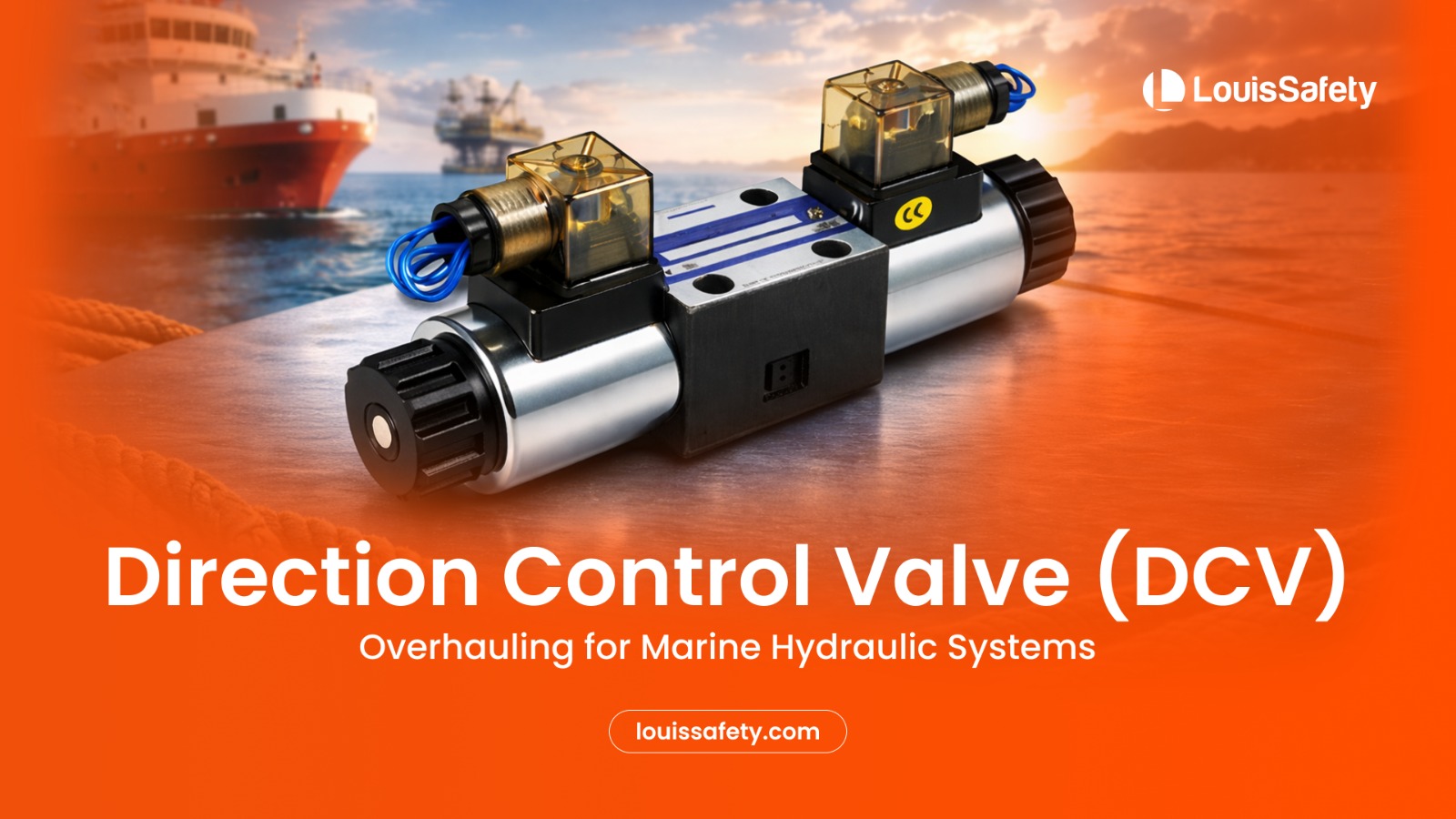
- Directional Control Valves
- Pressure Relief Valves
- Flow Control Valves
- Check Valves
- Solenoid Operated Valves
- Proportional Control Valves
Each valve type contributes to safe and accurate operation of hydraulic machinery onboard vessels by regulating pressure and controlling actuator movement.
Applications of Marine Hydraulic Valves and Controls
Marine hydraulic valves & control systems are widely implemented across various onboard and offshore applications, including:
- Marine crane systems
- Steering gear mechanisms
- Offshore winches
- Hatch cover operations
- Cargo handling equipment
- Stabilization systems
- Mooring equipment
These systems ensure reliable performance of hydraulic equipment during lifting, maneuvering, and load-handling operations.
Compliance and Safety Considerations in UAE Marine Sector
Hydraulic systems onboard marine vessels must operate within approved safety parameters during inspection and maintenance procedures. Control valves and pressure monitoring systems support:
- Prevention of system overload
- Maintenance of load stability
- Inspection readiness
- Reduction of mechanical stress
- Operational safety compliance
Properly calibrated hydraulic valves & control systems improve system performance and reduce operational risks across UAE marine installations.
Maintenance of Marine Hydraulic Valve Systems
Routine inspection and preventive maintenance of hydraulic valves and electronic control systems are essential for maintaining system efficiency under harsh marine conditions. Maintenance activities may include:
- Valve leakage inspection
- Pressure calibration
- Solenoid valve testing
- Actuator response verification
- Hydraulic line integrity checks
- Fluid contamination monitoring
Scheduled servicing helps extend equipment lifespan and ensures safe hydraulic operation onboard vessels.
Reliable performance of marine hydraulic valves & control systems is essential for maintaining load stability and ensuring safe equipment operation during offshore lifting and maneuvering activities. In demanding marine environments, improper pressure regulation or delayed actuator response can result in operational inefficiencies, mechanical stress, or unexpected system downtime.
Periodic inspection and calibration of marine hydraulic valves & control systems are therefore critical to prevent pressure imbalance, maintain system accuracy, and support inspection readiness across UAE marine installations.
Louis Safety provides professional hydraulic system testing, calibration, and retrofit support services across UAE ports and offshore locations to ensure safe and compliant marine operations.
FAQs
How do marine hydraulic valves improve lifting safety onboard vessels?Marine hydraulic valves & control systems regulate fluid pressure to maintain load stability and ensure safe lifting operations during offshore equipment handling.
Why are hydraulic control systems important in marine crane operations?Hydraulic control systems help ensure accurate actuator response and prevent pressure imbalance within marine hydraulic valves & control systems used onboard vessels
Do marine hydraulic valves require routine inspection?Yes, periodic inspection of marine hydraulic valves & control systems is essential to prevent system failure and maintain operational safety in marine environments.
Where are marine hydraulic control systems commonly used?Marine hydraulic valves & control systems are used in cranes, steering gear systems, offshore winches, and cargo handling equipment onboard vessels.
Can outdated hydraulic control systems be upgraded onboard ships?Yes, existing marine hydraulic valves & control systems can be retrofitted with modern electronic controls to improve performance and reliability.