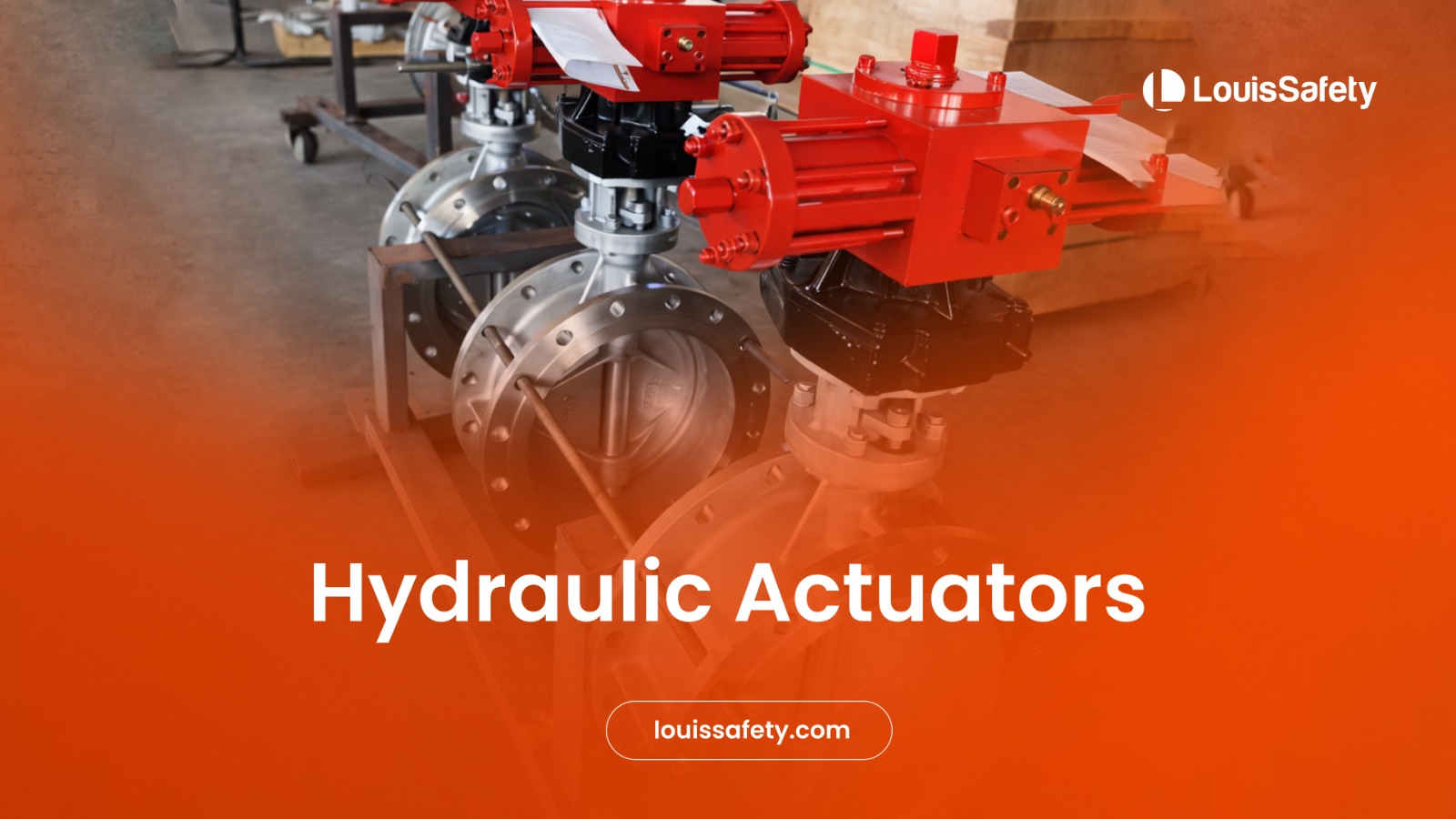
Hydraulic actuators in UAE (marine applications) are critical components that deliver controlled motion and high-force performance in shipboard systems. These devices convert hydraulic pressure into mechanical movement, enabling safe, precise, and reliable operation of essential marine equipment.
Hydraulic system failure is a known cause of deck machinery accidents, which makes professional marine hydraulic services essential for safe vessel operations.
What Is a Marine Hydraulic Actuator?
A marine hydraulic actuator produces linear or rotary motion using pressurized fluid. These actuators are widely used in ship operations where high force and precision control are required.
Common marine applications include:
- Hatch cover opening systems
- Steering gear control
- Crane and davit operation
- Winches and deck machinery
- Rudder actuation
- Engine control mechanisms
Why Hydraulic Actuators Are Important in Marine Operations
Without reliable ship hydraulic actuators, vessel systems can fail, leading to safety and operational risks.
Potential issues include:
- Loss of steering control
- Hatch cover malfunction
- Crane or davit failure
- Crew safety hazards
- Delays and downtime
These actuators ensure safe and efficient marine operations.
🛠 How Marine Hydraulic Actuators Work
A marine hydraulic system operates through controlled fluid pressure:
- Hydraulic pump generates pressurized fluid
- Fluid enters actuator chambers
- Piston or rotary unit moves
- Mechanical motion operates marine equipment
This system delivers high torque and precision control.
🔧 Marine Hydraulic Services in UAE
Comprehensive marine hydraulic services support reliable performance of onboard systems. Services include:
- Hydraulic actuator inspection and testing
- Hydraulic system troubleshooting
- Pressure testing and leak detection
- Hydraulic fluid analysis and contamination checks
- System flushing and cleaning
- Hose, valve, and fitting inspection
These services help maintain optimal system efficiency.
🛠 Hydraulic Actuator Inspection, Maintenance & Repair
Professional marine hydraulic actuator services in UAE cover:
- Seal and leakage inspection
- Cylinder and rod condition checks
- Performance and response testing
- Seal replacement and cylinder reconditioning
- Rod polishing and alignment
- Valve and control unit servicing
Timely maintenance and repair reduce failure risks.
🚨 What Happens If Hydraulic Actuators Fail?
Failure of marine hydraulic actuators can result in:
- Steering loss
- Cargo handling disruption
- Equipment damage
- Compliance issues
- Increased accident risk
Preventive maintenance and inspection are critical.
📋 Compliance and Safety Considerations
Marine hydraulic actuators fall under machinery and vessel safety regulations. Routine inspection supports:
- Compliance with marine standards
- Safe cargo operations
- Reduced mechanical failure
- Successful surveys and audits
🚢 Where Hydraulic Actuators Are Used
- Cargo vessels
- Tankers
- Offshore support vessels
- Passenger ships
- Port and shipyard equipment
All marine vessels rely on dependable hydraulic motion systems.
Need Marine Hydraulic Services in UAE?
Professional inspection and servicing ensure your marine hydraulic systems and actuators operate safely and efficiently.
Frequently Asked Questions
Do marine hydraulic actuators require routine testing?Yes, periodic pressure and performance testing are essential.
Can actuators be repaired onboard?Minor issues can be handled onboard, but major repairs require professional service.
Are hydraulic actuators covered under marine compliance rules?Yes, they fall under machinery and vessel safety inspection requirements.