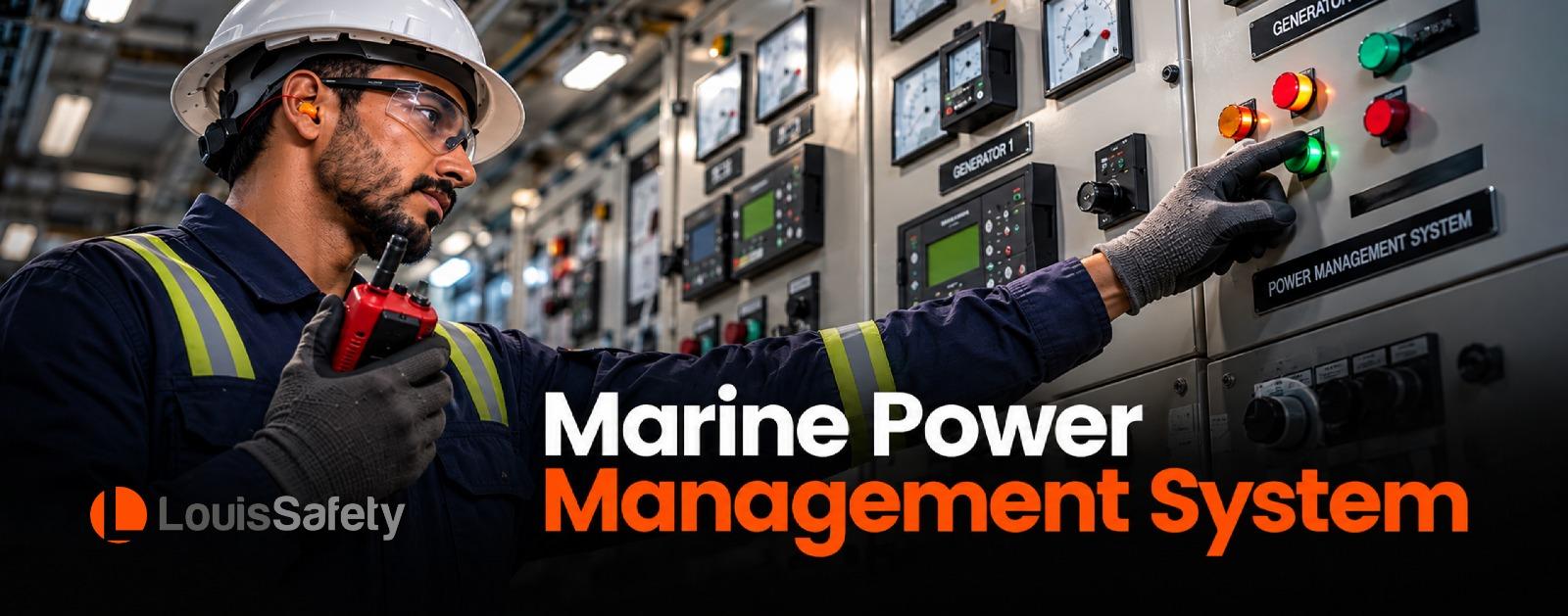
Understanding Marine Power Management Systems
Modern vessels rely on a continuous and reliable power supply to operate propulsion support systems, navigation equipment, cargo handling systems, communication networks, HVAC, lighting, and other critical onboard equipment. As vessels become more automated and energy demands increase, managing multiple generators manually is no longer efficient or practical.
A Marine Power Management System (PMS) automates the operation of a vessel's power plant by controlling generator synchronization, load sharing, automatic start/stop, and power distribution. It helps maintain a stable electrical supply while improving fuel efficiency, reducing engine wear, and preventing costly power failures.
Whether you operate a cargo vessel, offshore support vessel, tanker, passenger ferry, or yacht, an intelligent Power Management System plays a vital role in improving operational efficiency, safety, and reliability.
This guide explains how Marine Power Management Systems work, their benefits, common applications, and why professional PMS upgrades and retrofits are becoming essential for modern fleets.
What is a Marine Power Management System (PMS)?
A Marine Power Management System (PMS) is an intelligent automation system that monitors, controls, and optimises the electrical power generated and distributed throughout a vessel.
Instead of relying on manual generator operation, a PMS continuously analyses onboard power demand and automatically controls generator operation to ensure a stable and efficient power supply. A typical Power Management System can:
- Automatically start and stop generators
- Synchronize multiple generators
- Share electrical load evenly
- Prevent generator overload
- Protect electrical equipment
- Maintain uninterrupted power supply
- Improve fuel efficiency
- Support vessel automation
By continuously monitoring power consumption, the PMS ensures that only the required generators operate at any given time, reducing unnecessary fuel consumption and maintenance costs.
Why Modern Vessels Need a Power Management System
Power demand onboard a vessel changes constantly. During cargo operations, dynamic positioning, maneuvering, or offshore activities, electrical loads can increase rapidly. Without automated control, operators may experience:
- Generator overload
- Uneven load distribution
- Increased fuel consumption
- Higher maintenance costs
- Unexpected blackouts
- Reduced equipment life
- Operational delays
A Marine Power Management System automatically responds to changing electrical loads, ensuring the right number of generators operate safely and efficiently.
Challenges of Manual Generator Management
Many older vessels still rely on manual generator control, which presents several operational challenges. Common issues include:
- Slow response to load changes
- Human error during synchronization
- Uneven generator loading
- Excessive fuel consumption
- Frequent engine wear
- Difficulty managing multiple generators
- Increased operational risks
As vessels become increasingly automated, manual power management is no longer sufficient for maintaining optimal performance.
How Does a Marine Power Management System Work?
A Marine PMS continuously monitors electrical parameters throughout the vessel and automatically controls the power plant. Its basic operation includes:
Power Demand Monitoring
The system continuously measures electrical load across the vessel.
Generator Control
Based on power demand, the PMS automatically starts or stops generators.
Synchronization
Before connecting a generator to the switchboard, the PMS matches voltage, frequency, and phase angle to ensure smooth synchronization.
Load Sharing
The system distributes electrical load evenly among operating generators.
Generator Protection
Built-in protection functions prevent overload, reverse power, overvoltage, undervoltage, and frequency abnormalities.
Continuous Monitoring
The system continuously supervises generator performance and responds immediately to abnormal operating conditions.
Main Components of a Marine PMS
A complete Power Management System typically includes:
- Generator Controllers
- Synchronizing Modules
- Protection Relays
- PLC-based Automation
- Human Machine Interface (HMI)
- Power Monitoring Devices
- Circuit Breaker Controls
- Communication Network
- Alarm and Event Logging
- Switchboard Integration
Together, these components provide safe, reliable, and fully automated power management.
Benefits of Installing a Marine Power Management System
Implementing a modern PMS offers several operational advantages:
- Reduced fuel consumption
- Improved generator efficiency
- Automatic power balancing
- Reduced maintenance costs
- Longer generator lifespan
- Improved electrical reliability
- Enhanced vessel safety
- Better operational control
- Reduced human intervention
- Increased equipment availability
For vessel owners and fleet managers, these benefits translate into lower operating costs and improved long-term asset performance.
Generator Synchronization, Load Sharing & Smart Power Automation
Modern Power Management Systems do much more than simply control generators. They intelligently manage the vessel's entire electrical network, ensuring stable power generation under all operating conditions.
Generator Synchronization
Generator synchronization is one of the most critical functions of a Marine Power Management System. Before a generator is connected to the main switchboard, the PMS automatically matches:
- Voltage
- Frequency
- Phase sequence
- Phase angle
Once all electrical parameters are aligned, the system safely closes the circuit breaker and connects the generator to the power network without interrupting onboard operations. Proper synchronization prevents:
- Generator damage
- Switchboard faults
- Electrical disturbances
- Equipment failures
- Power interruptions
Automatic synchronization also eliminates manual errors and significantly improves operational safety.
Automatic Load Sharing
After synchronization, the PMS evenly distributes electrical load across all running generators. Instead of one generator carrying excessive load while another remains lightly loaded, the system continuously balances the power demand. Benefits include:
- Reduced engine stress
- Improved fuel efficiency
- Lower maintenance costs
- Longer generator lifespan
- Stable electrical supply
Balanced load sharing also prevents unnecessary generator trips caused by overload conditions.
Automatic Generator Start & Stop
A Marine PMS automatically starts additional generators whenever power demand increases. Likewise, when electrical demand decreases, unnecessary generators are automatically stopped. This intelligent control helps:
- Reduce fuel consumption
- Minimise engine running hours
- Lower maintenance costs
- Improve operational efficiency
The vessel always operates with the optimum number of generators required for current conditions.
Blackout Prevention
Unexpected power failures can affect propulsion support systems, navigation equipment, cargo handling operations, and other essential vessel functions. A Marine PMS continuously monitors generator performance and automatically responds to abnormal situations. If one generator fails, the system can:
- Automatically start a standby generator
- Restore power rapidly
- Maintain essential onboard systems
- Reduce blackout recovery time
This significantly improves vessel safety and operational continuity.
Intelligent Load Management
A modern PMS continuously monitors power consumption and manages onboard electrical loads efficiently. The system can:
- Prioritise essential equipment
- Shed non-critical loads during emergencies
- Prevent overload conditions
- Maintain stable electrical frequency
This intelligent approach ensures the vessel continues operating safely, even during sudden load changes.
Fuel Optimisation
Fuel represents one of the largest operating expenses for any commercial vessel. A Marine Power Management System improves fuel efficiency by ensuring generators operate within their most efficient load range. This helps vessel operators:
- Reduce fuel costs
- Lower emissions
- Improve generator efficiency
- Extend engine life
- Optimise voyage operating costs
For fleet owners operating multiple vessels, these savings can have a significant impact on overall operational expenditure.
DEIF & SmartGen Power Management Solutions
Louis Safety provides advanced Power Management System solutions using industry-leading technologies from DEIF and SmartGen, including controllers such as the HMC9000A protection and power management controller. These solutions support:
- Automatic generator synchronization
- Intelligent load sharing
- Generator protection
- Automatic start and stop
- Blackout prevention
- Switchboard automation
- Remote monitoring
- Alarm management
- Power plant optimisation
- Marine automation integration
Whether for a new installation, PMS upgrade, or retrofit project, DEIF and SmartGen controllers provide reliable, scalable, and efficient power management for commercial vessels, offshore platforms, workboats, and marine support fleets.
PMS Upgrades, Retrofits, Generator Protection & Maintenance
As marine technology evolves, many vessels continue to operate with aging Power Management Systems that no longer meet current operational requirements. Obsolete controllers, unsupported software, and limited automation can affect efficiency, reliability, and safety. Upgrading or retrofitting a Marine Power Management System (PMS) allows vessel owners to modernise their electrical infrastructure without replacing the entire switchboard.
Whether operating a single vessel or managing a fleet, investing in a modern PMS helps improve power reliability, reduce fuel consumption, and support long-term operational performance.
Why Upgrade Your Marine Power Management System?
An outdated PMS may struggle to meet the increasing electrical demands of modern vessels. Common signs that indicate an upgrade may be required include:
- Frequent generator trips
- Difficulty synchronising generators
- Uneven load sharing
- Increased fuel consumption
- Obsolete controllers or PLCs
- Limited automation features
- High maintenance costs
- Difficulty sourcing spare parts
- Poor alarm monitoring
- Lack of remote diagnostics
Modernising the system enhances performance while extending the life of existing power generation equipment.
Marine PMS Retrofit Solutions
A retrofit allows vessel owners to upgrade their power management capabilities without replacing the complete electrical switchboard. Typical retrofit services include:
- Replacement of outdated generator controllers
- Integration of DEIF or SmartGen controllers
- PLC and HMI upgrades
- Switchboard automation improvements
- Generator synchronisation upgrades
- Load sharing enhancements
- Alarm and monitoring improvements
- Communication network upgrades
- Remote monitoring integration
Retrofit projects are designed to minimise vessel downtime while improving system performance and reliability.
Generator Protection Functions
Protecting generators is one of the primary responsibilities of a Marine Power Management System. Modern PMS solutions continuously monitor generator health and automatically respond to abnormal operating conditions. Typical protection features include:
- Reverse Power Protection
- Overcurrent Protection
- Overvoltage Protection
- Undervoltage Protection
- Over Frequency Protection
- Under Frequency Protection
- Phase Sequence Monitoring
- Phase Failure Detection
- Short Circuit Protection
- Generator Overload Protection
- Earth Fault Monitoring
These protection functions help prevent costly equipment damage while ensuring continuous and safe operation.
PMS Commissioning
After installation or retrofit, the system must be properly commissioned before entering service. Commissioning generally includes:
- Configuration of generator controllers
- Synchronisation testing
- Load sharing verification
- Protection setting validation
- Automatic start/stop testing
- Alarm verification
- Blackout recovery testing
- Communication checks
- Functional testing under operational conditions
Proper commissioning ensures that every component performs as intended and that the vessel's electrical system operates safely.
Inspection and Preventive Maintenance
Routine inspection and maintenance help ensure long-term reliability and reduce the risk of unexpected failures. A typical maintenance programme includes:
- Visual inspection of controllers and switchboards
- Inspection of communication cables
- Verification of breaker operation
- Functional testing of synchronisation
- Generator protection testing
- Software backup and updates
- Controller diagnostics
- Alarm verification
- Cleaning of electrical panels
- Inspection of electrical connections
Preventive maintenance extends equipment life while reducing operational disruptions.
Applications Across Different Vessel Types
Marine Power Management Systems are widely used on:
- Offshore Support Vessels (OSVs)
- Platform Supply Vessels (PSVs)
- Oil Tankers
- Chemical Tankers
- LNG Carriers
- Bulk Carriers
- Container Ships
- Passenger Ferries
- Cruise Ships
- Tug Boats
- Research Vessels
- Naval Ships
- Workboats
- Yachts and Superyachts
Regardless of vessel type, a modern PMS ensures stable power generation, improved efficiency, and enhanced operational safety.
Why Choose Louis Safety?
We provide comprehensive PMS services using trusted automation platforms such as DEIF and SmartGen, delivering reliable and scalable solutions for new installations, retrofits, and system upgrades as part of our marine automation services. Our services include:
- Marine Power Management System Design
- PMS Upgrades
- PMS Retrofits
- DEIF Controller Integration
- SmartGen Controller Integration
- Generator Synchronisation
- Automatic Load Sharing
- Generator Protection Configuration
- PLC Programming
- HMI Development
- Switchboard Automation
- System Commissioning
- Factory Acceptance Testing (FAT)
- Site Acceptance Testing (SAT)
- Troubleshooting & Diagnostics
- Annual Maintenance Contracts (AMC)
- Technical Support & Training
Our experienced engineers work closely with vessel owners and ship managers to ensure reliable, efficient, and compliant power management solutions.
Conclusion
A modern Marine Power Management System (PMS) is essential for improving generator efficiency, reducing fuel consumption, preventing blackouts, and ensuring reliable onboard power. Whether you are upgrading an aging system, retrofitting existing equipment, or implementing a new automation solution, the right PMS enhances operational performance and supports long-term vessel reliability.
With expertise in DEIF and SmartGen technologies, Louis Safety delivers end-to-end solutions including system design, upgrades, retrofits, generator synchronisation, commissioning, testing, and ongoing technical support. Our team helps vessel owners, ship managers, and marine engineers optimise power generation while maintaining safe and efficient vessel operations.
Planning a PMS upgrade or retrofit? Contact Louis Safety to discuss your vessel's power management requirements.
For project updates and news from our engineering team, follow Louis Safety on LinkedIn.
Frequently Asked Questions
What is a Marine Power Management System (PMS)?
A Marine Power Management System is an automation solution that controls generator operation, synchronisation, load sharing, protection, and power distribution on a vessel.
Why should I upgrade my existing PMS?
Upgrading improves reliability, fuel efficiency, automation, and system compatibility while reducing maintenance costs and downtime.
Can an existing vessel be retrofitted with a new PMS?
Yes. Most vessels can be upgraded with modern DEIF or SmartGen controllers without replacing the complete switchboard.
What is generator synchronisation?
It is the process of matching voltage, frequency, and phase before connecting generators to the main electrical bus, ensuring safe and uninterrupted power transfer.
How does automatic load sharing work?
The PMS distributes electrical load evenly among operating generators, preventing overload and improving fuel efficiency.
How does a PMS help reduce fuel consumption?
By automatically starting and stopping generators based on power demand and maintaining generators within their optimum operating range.
Does a PMS prevent blackouts?
Yes. Modern systems monitor generator performance continuously and can automatically start standby generators and restore power if required.
Which controller brands does Louis Safety support?
Louis Safety provides Marine Power Management Solutions using DEIF and SmartGen controller platforms.
Does Louis Safety provide commissioning and technical support?
Yes. We provide installation support, commissioning, testing, troubleshooting, maintenance, and after-sales technical assistance.
Which vessels benefit from a Marine PMS?
Commercial ships, offshore vessels, tankers, ferries, workboats, tugs, research vessels, naval ships, yachts, and other marine applications all benefit from reliable power management systems.