Marine and offshore operations rely on alarm monitoring systems to detect equipment faults, monitor critical processes, and ensure personnel and asset safety. However, many vessels, offshore platforms, and industrial facilities continue to operate with legacy alarm systems that are becoming increasingly difficult to maintain due to obsolete hardware, unsupported software, and limited spare parts availability.
A Marine Alarm Monitoring System Upgrade replaces outdated monitoring platforms with modern PLC & SCADA solutions, providing enhanced alarm management, real-time monitoring, improved system reliability, and long-term operational support without disrupting critical operations.
This guide explores why alarm monitoring systems require modernization, the benefits of upgrading legacy platforms, and how modern PLC & SCADA solutions improve safety, compliance, and operational efficiency.
What Is a Marine Alarm Monitoring System?
A marine alarm monitoring system continuously supervises critical onboard and offshore equipment, notifying operators immediately when abnormal conditions occur. It enables faster decision-making, minimizes equipment damage, and supports safe vessel and facility operations. Our article on main and auxiliary engine alarm systems covers engine monitoring in more depth.
Typical monitoring applications include:
- Main and auxiliary engine monitoring
- Generator monitoring
- Pump and compressor status
- Tank level monitoring
- Bilge alarms
- Fire & Gas detection systems
- Machinery space monitoring
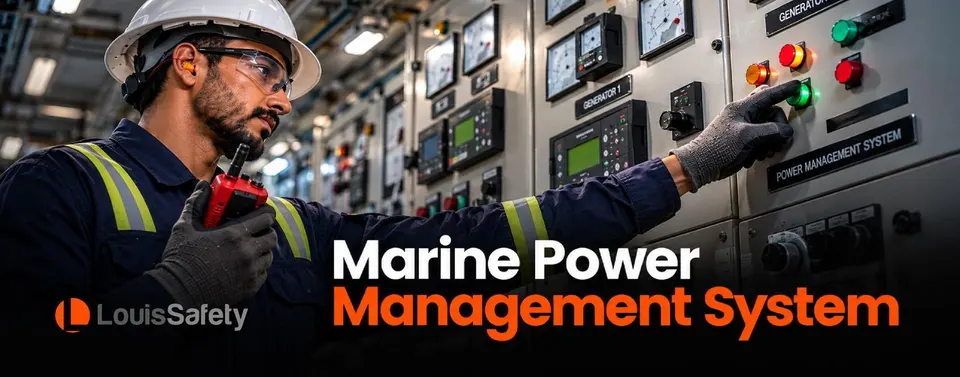
- Power management systems
- Electrical switchboards
- Utility systems
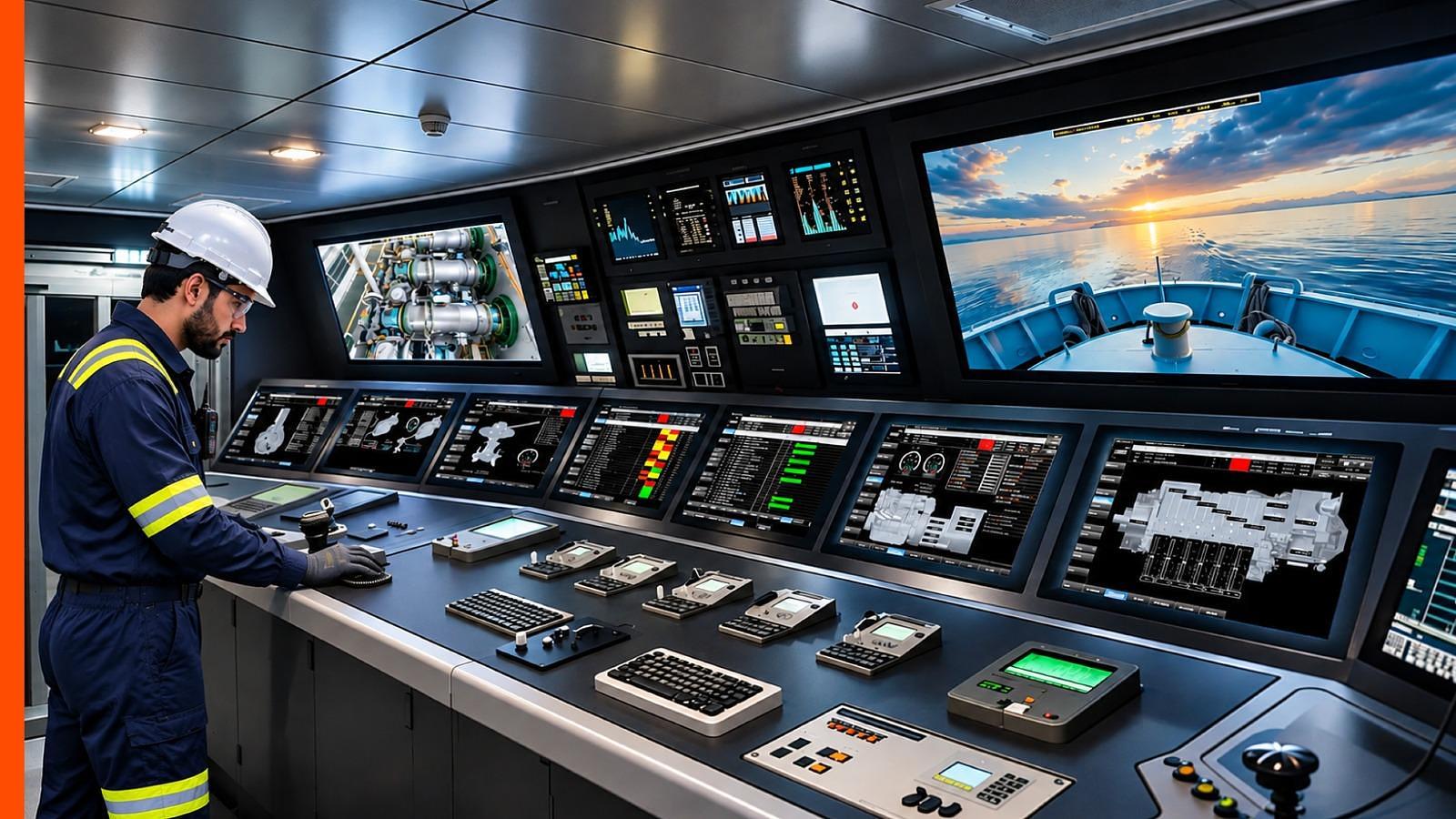
Modern SCADA platforms also provide centralized visualization, alarm history, event logging, performance trends, and remote diagnostics for improved operational awareness.
Why Upgrade Legacy Alarm Monitoring Systems?
Many alarm monitoring systems installed years ago continue operating but are increasingly difficult to support due to aging technology.
Common challenges include:
- Obsolete PLC hardware
- Unsupported monitoring software
- Limited spare part availability
- Frequent equipment failures
- Higher maintenance costs
- Cybersecurity vulnerabilities
- Difficult integration with new equipment
- Reduced operational reliability
Upgrading these systems improves safety, reliability, and long-term maintainability while extending the life of existing assets.
Signs Your Alarm Monitoring System Requires Modernization
Your vessel or offshore facility may require an upgrade if you experience:
- Frequent false alarms
- Communication failures
- Slow operator response
- Outdated HMI displays
- Increasing maintenance requirements
- Limited data logging capabilities
- Difficulty sourcing replacement components
- Poor integration with modern automation systems
Planning upgrades before system failures helps reduce downtime and avoid unexpected operational disruptions.
Benefits of Modern PLC & SCADA Solutions
Modern automation platforms provide:
- Real-time alarm monitoring
- Centralized system visualization
- Intelligent alarm management
- Historical event logging
- Trend analysis and reporting
- Remote monitoring capabilities
- Improved cybersecurity
- Flexible system expansion
- Easier maintenance
- Long-term platform support
These capabilities improve operational awareness while helping operators respond more quickly to critical events.
How PLC & SCADA Work Together
The PLC continuously collects signals from field devices, sensors, and control equipment, while the SCADA platform provides operators with an intuitive graphical interface to monitor alarms, visualize system status, review trends, and manage events.
Together they deliver a reliable, scalable alarm monitoring solution that enhances safety, improves operational efficiency, and simplifies maintenance.
Marine Alarm Monitoring System Upgrade Process
A successful modernization project follows a structured approach to minimize operational disruption.
System Assessment
Existing PLCs, alarm panels, communication networks, sensors, and operator workstations are evaluated to identify obsolete components and define the most effective upgrade strategy.
Control System Migration
Legacy controllers and monitoring software are upgraded to a modern PLC & SCADA platform while maintaining compatibility with existing field devices wherever possible. We follow the same approach in our crane PLC retrofit solutions and custom control panels.
HMI & Alarm Engineering
User-friendly operator interfaces are developed with alarm prioritization, event logging, graphical visualization, and performance monitoring to improve operator response.
Testing & Commissioning
Before commissioning, engineers verify:
- PLC functionality
- SCADA communication
- Alarm operation
- Sensor integration
- Network performance
- Data logging
- Operator interface functionality
Comprehensive testing ensures safe and reliable system operation. Sensors and instruments are checked by our marine calibration services.
Best Practices for Alarm Management
To maximize system performance:
- Prioritize critical alarms
- Eliminate nuisance alarms
- Perform routine system health checks
- Maintain software backups
- Review alarm history regularly
- Conduct preventive maintenance
- Periodically validate alarm configurations
These practices improve safety while reducing downtime and maintenance costs.
Future-Proofing Marine Automation Systems
Modern PLC & SCADA platforms provide scalable architectures that allow easy integration of future equipment, additional sensors, remote monitoring capabilities, and advanced analytics without replacing the complete automation system.
Regular software updates, cybersecurity enhancements, and preventive maintenance help maintain long-term operational reliability.
Conclusion
Modernizing legacy alarm monitoring systems with PLC & SCADA technology significantly improves operational safety, system reliability, and long-term maintainability. A well-planned upgrade enhances alarm visibility, simplifies maintenance, reduces downtime, and supports future operational requirements across marine and industrial environments.
Why Choose Louis Safety Marine?
At Louis Safety Marine, we provide end-to-end Marine Alarm Monitoring System Upgrades, PLC & SCADA integration, Fire & Gas System Integration, Marine Automation Solutions, Control System Modernization, HMI Development, System Migration, Testing & Commissioning, and 24/7 Technical Support. Our experienced engineers deliver reliable marine automation services that improve safety, enhance operational visibility, and ensure long-term performance for marine, offshore, and industrial facilities.
Plan Your Alarm System Upgrade
Is your alarm monitoring system getting hard to support? Contact Louis Safety for a system assessment and an upgrade plan that fits your next maintenance window. Call +971 50 460 8700, email operations@louissafety.com, or follow our work on LinkedIn.
Frequently Asked Questions
Can legacy alarm monitoring systems be upgraded?
Yes. Most legacy systems can be modernized while retaining compatible field equipment, minimizing upgrade costs and operational downtime.
What are the benefits of upgrading to PLC & SCADA?
Modern platforms improve alarm management, system visibility, reliability, maintenance efficiency, cybersecurity, and future scalability.
Will system upgrades interrupt vessel operations?
With proper planning, many upgrades can be completed during scheduled maintenance periods or dry docking, minimizing operational impact.
Which facilities benefit from alarm monitoring upgrades?
Alarm monitoring upgrades suit commercial vessels, offshore platforms, marine terminals, shipyards, industrial facilities, power plants, oil and gas installations, and process industries.