Introduction
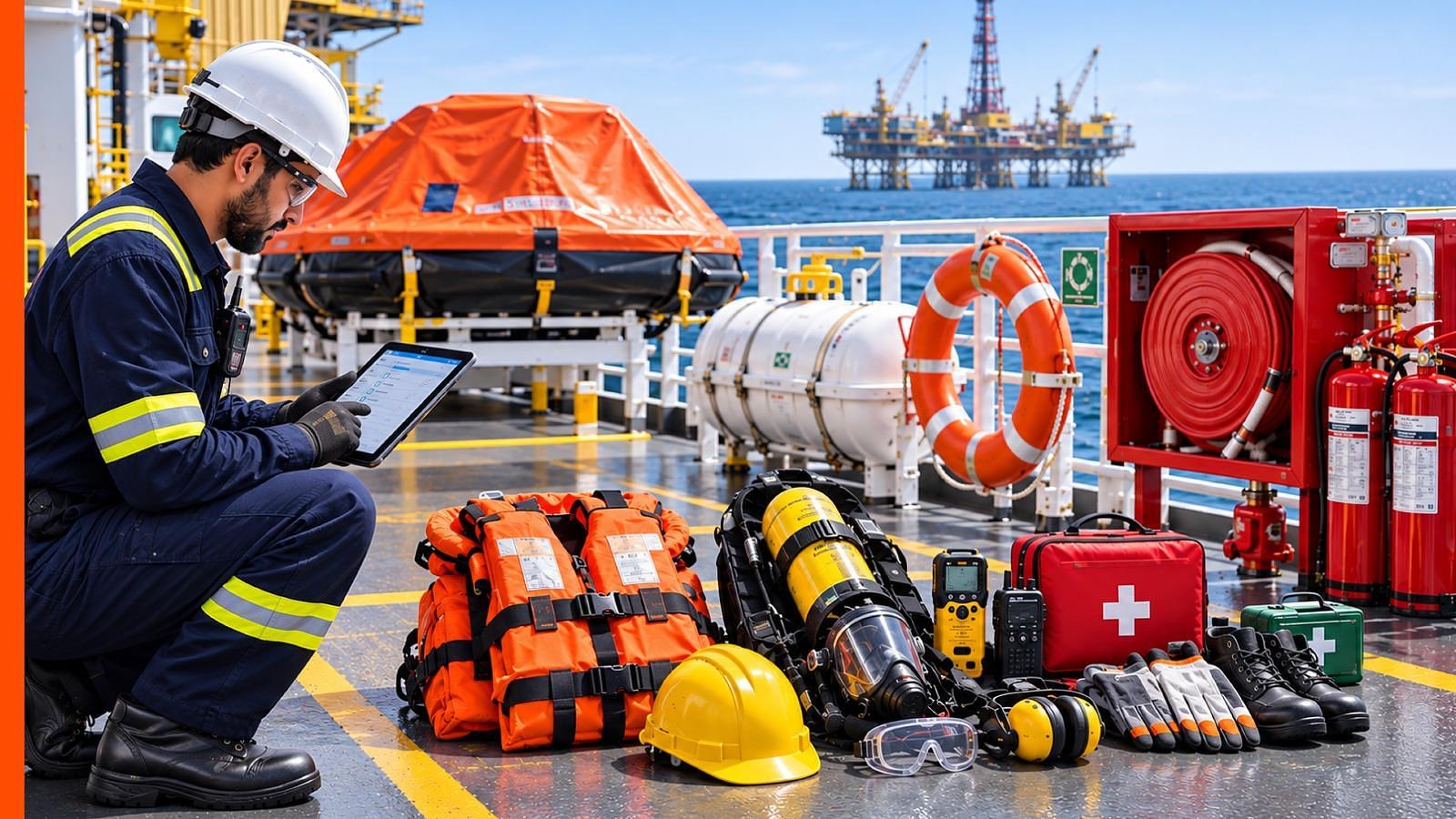
Before any offshore vessel begins operations, ensuring that all safety equipment is fully functional is essential. A comprehensive Offshore Vessel Safety Equipment Checklist helps verify that lifesaving appliances, firefighting equipment, emergency systems, and safety documentation are ready for operation. Proper preparation not only enhances crew safety but also minimizes downtime, supports regulatory compliance, and reduces the risk of operational delays.
Whether supporting offshore energy, marine construction, logistics, or inspection projects, every vessel should undergo a thorough safety inspection before mobilization.
Why Is a Safety Equipment Checklist Important?
A structured safety checklist helps vessel operators:
- Improve onboard safety
- Verify equipment readiness
- Reduce equipment failures
- Minimize operational delays
- Support compliance with international regulations
- Increase inspection readiness
- Protect crew and assets
Regular inspections also help identify maintenance issues before they affect vessel operations.
Key International Safety Requirements
Offshore vessels are generally expected to comply with internationally recognized maritime standards, including:
- SOLAS
- IMO Guidelines
- ISM Code
- MARPOL
- Flag State requirements
- Classification Society rules
In addition to these regulations, many offshore clients have their own safety and inspection requirements before vessel mobilization. Our guide to SOLAS requirements for lifeboat and liferaft servicing explains the servicing rules in more detail.
Life Saving Appliances (LSA) Checklist
Life Saving Appliances are critical for protecting personnel during emergencies. Before mobilization, verify the following (see our LSA inspection services in the UAE):
Lifeboats
Inspect:
- Hull condition
- Engine operation
- Steering system
- Release gear
- Emergency equipment
- Maintenance records
Our lifeboat services cover annual and five-yearly inspections, repairs, and release gear checks.
Liferafts
Check:
- Valid service certificates
- HRU expiry date
- Container condition
- Secure lashings
- Easy accessibility
Liferafts must be serviced at an approved station; read more about our liferaft services in the UAE.
Rescue Boat
Verify:
- Engine performance
- Fuel level
- Launching arrangements
- Communication equipment
- Safety equipment onboard
Life Jackets & Lifebuoys
Ensure:
- Required quantities are available
- Lights and whistles are functional
- Reflective tape is intact
- Equipment is easily accessible
Fire Fighting Equipment (FFE) Checklist
Fire Fighting Equipment (FFE) is equally important during offshore vessel inspections. All firefighting systems should be operational, properly maintained, and supported by valid inspection records. Our FFE inspection team checks every item below.
Fire Extinguishers
Check that:
- All extinguishers are in their designated locations
- Pressure gauges are within the safe operating range
- Safety pins and seals are intact
- Inspection dates are valid
- No visible corrosion or damage
Cylinders that are due also need fire extinguisher hydrostatic testing.
Fire Hoses & Hydrants
Inspect:
- Hose condition
- Couplings and nozzles
- Hydrant valves
- Accessibility of fire stations
- Hose reels for proper operation
Fire Pumps
Verify:
- Main and emergency fire pumps operate correctly
- Adequate water pressure is maintained
- Suction and discharge valves function properly
- Pumps start without delay
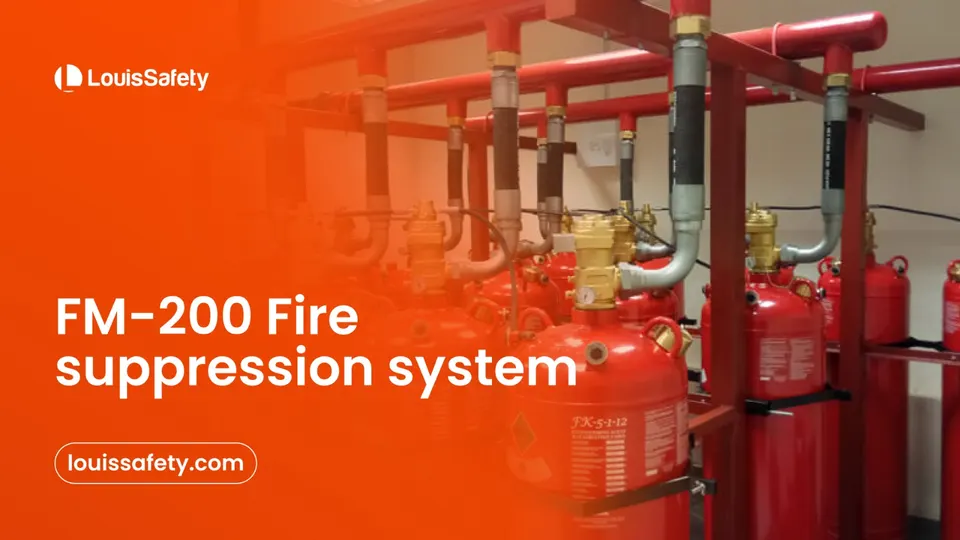
Fixed Fire Suppression Systems
Ensure:
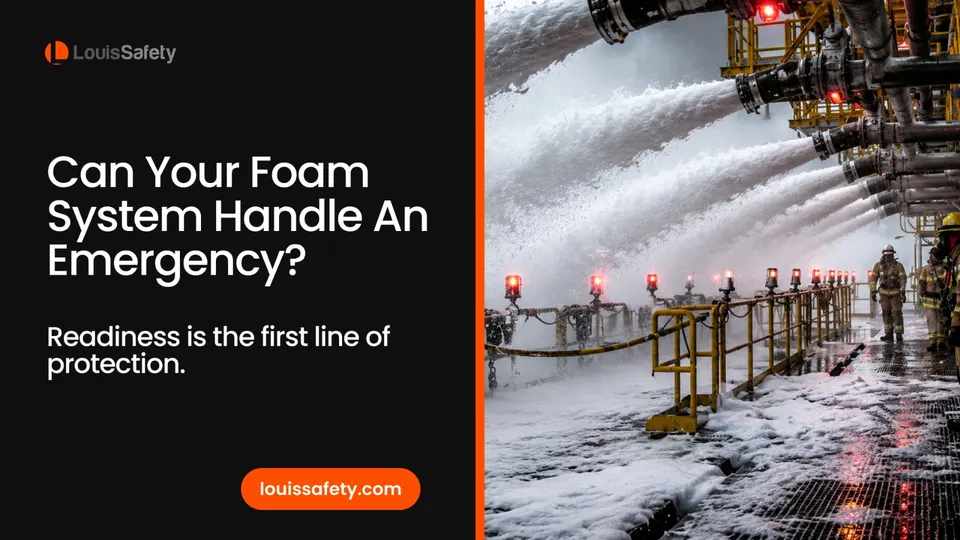
- CO₂ or foam systems are properly secured
- Cylinders are within service dates
- Release mechanisms function correctly
- Warning notices are clearly displayed
Learn more about fixed CO₂ systems and fixed foam systems.
Fire Detection & Alarm Systems
Check:
- Smoke and heat detectors
- Fire alarm control panel
- Manual call points
- Audible and visual alarms
- Emergency power supply
Emergency Escape Equipment
Verify:
- Emergency Escape Breathing Devices (EEBDs)
- Fireman's outfits
- Breathing apparatus
- Emergency lighting
- Escape route markings
Routine inspection of FFE ensures vessels remain prepared for emergencies while reducing the risk of equipment-related deficiencies during client or statutory inspections.
Navigation & Communication Equipment Checklist
Reliable navigation and communication systems are essential for safe offshore operations.
Before mobilization, verify:
- GPS and navigation systems
- Radar functionality
- AIS (Automatic Identification System)
- VHF/UHF radios
- GMDSS equipment
- Navigation lights
- Magnetic and gyro compass
- Emergency communication devices
Any malfunction should be rectified before the vessel departs. Our navigation and communication equipment services cover testing, repair, and certification.
Machinery & Engine Room Safety Checks
The engine room is one of the most critical areas onboard. Regular inspections help prevent unexpected failures during offshore operations.
Inspect:
- Main engine condition
- Auxiliary engines
- Generator performance
- Bilge system
- Fuel and lubrication systems
- Cooling systems
- Emergency generator
- Engine room ventilation
- Oil leakages
- Emergency stop systems
A well-maintained machinery space improves operational reliability and reduces the risk of unplanned downtime.
Documentation & Crew Readiness Checklist
Before mobilization, ensure all vessel documentation is current and easily accessible. Proper records demonstrate compliance and help streamline inspections.
Verify the Following Documents
- LSA and FFE service certificates
- Inspection and maintenance records
- Load testing certificates
- Fire drill records
- Abandon ship drill records
- Crew competency certificates
- Planned Maintenance System (PMS) records
- Statutory certificates
- Emergency response procedures
Keeping documentation organized helps reduce inspection delays and supports safe vessel operations. Davits and cranes need valid certificates too; see our load testing of davits and cranes.
Crew Safety & Emergency Preparedness
Safety equipment alone is not enough—crew members must know how to respond during emergencies.
Ensure the crew:
- Understand emergency procedures
- Participate in regular drills
- Know the location of all safety equipment
- Can operate lifesaving and firefighting equipment
- Are familiar with emergency communication procedures
- Understand muster station responsibilities
A well-trained crew plays a vital role in maintaining a safe working environment offshore.
Best Practices Before Vessel Mobilization
Follow these best practices to improve safety and operational readiness:
- Conduct a complete vessel safety inspection
- Rectify equipment deficiencies immediately
- Verify all certificates are valid
- Test critical safety systems
- Inspect communication equipment
- Confirm emergency equipment is operational
- Review maintenance records
- Hold a pre-mobilization safety meeting
A proactive approach helps minimize operational risks and improves overall vessel reliability.
Common Safety Equipment Deficiencies
Identifying common issues before mobilization helps avoid delays and improves inspection readiness.
Frequently reported deficiencies include:
- Expired LSA or FFE certificates
- Faulty fire extinguishers
- Damaged fire hoses
- Liferafts overdue for servicing
- Worn wire ropes on davits
- Inoperative alarms
- Missing emergency equipment
- Poor maintenance records
- Defective emergency lighting
- Incomplete crew training records
Regular inspections and preventive maintenance significantly reduce these risks. Worn davit falls can be replaced with our wire rope renewal and load testing service.
Why Regular Safety Inspections Matter
Routine safety inspections help vessel operators:
- Improve crew safety
- Reduce equipment failures
- Minimize unexpected downtime
- Extend equipment lifespan
- Maintain regulatory compliance
- Increase operational reliability
- Improve client confidence
Investing in preventive inspections is more cost-effective than dealing with emergency repairs or operational delays.
Conclusion
A comprehensive Offshore Vessel Safety Equipment Checklist is essential for ensuring vessels are fully prepared before mobilization. Regular inspections of Life Saving Appliances (LSA), Fire Fighting Equipment (FFE), navigation systems, machinery, documentation, and crew readiness help maintain compliance while reducing operational risks.
By implementing a structured inspection process, vessel owners and operators can improve safety, minimize downtime, and ensure reliable performance throughout offshore operations.
Why Choose Louis Safety?
At Louis Safety, we deliver reliable marine and offshore safety solutions to help keep your vessels compliant, operational, and inspection-ready. Our services include FFE & LSA inspection, fire detection and suppression systems, gas detection, fire extinguisher servicing, load testing, marine safety equipment supply, and preventive maintenance. Backed by experienced engineers and internationally recognized standards, we ensure safety, compliance, and operational excellence for marine and offshore industries.
Get Your Vessel Inspection-Ready
Planning a mobilization? Contact Louis Safety to book a complete pre-mobilization safety inspection of your vessel's LSA, FFE and emergency systems. Call +971 50 460 8700, email operations@louissafety.com, or follow our work on LinkedIn.