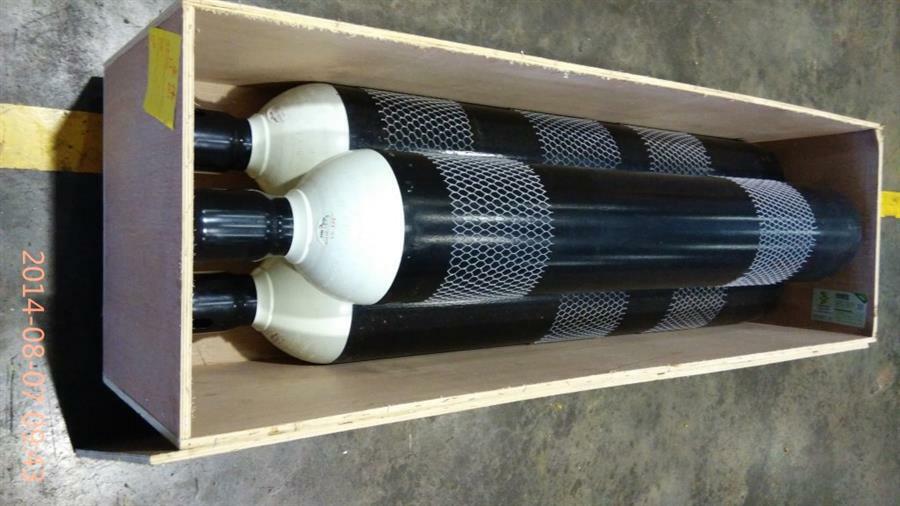
Lifeboats are a critical part of marine safety, and their air cylinders play a vital role in ensuring they function when needed. To maintain their reliability, lifeboat air cylinders must undergo hydrostatic pressure tests, internal inspections, and refills every 5 years. This scheduled maintenance is essential for compliance with international safety standards and to guarantee operational readiness during emergencies.
1. Hydrostatic Pressure Testing
Hydrostatic testing is a method used to check the structural integrity of lifeboat air cylinders. By subjecting the cylinder to high-pressure water, experts can detect any cracks, deformations, or weaknesses that could compromise safety. This process ensures that the cylinder can safely hold compressed air without failure.
2. Internal Inspection
Along with hydrostatic testing, internal inspection of air cylinders is critical. Over time, corrosion, rust, or contamination can develop inside the cylinder. Experts inspect the internal surface to detect any signs of wear or damage and ensure the cylinder meets safety standards.
3. Cylinder Refill
Once testing and inspection are complete, the lifeboat air cylinder is refilled to its recommended working pressure. Proper refilling guarantees that the lifeboat’s inflation system will function effectively during emergencies.
4. Why 5-Year Intervals Matter
Following a strict 5-year maintenance schedule helps shipping companies and marine operators stay compliant with international regulations such as SOLAS (Safety of Life at Sea). Regular maintenance not only ensures crew safety but also prolongs the lifespan of the lifeboat equipment.
5. Choosing a Reliable Service Provider
Selecting a certified marine safety service provider for hydrostatic testing, internal inspection, and cylinder refill is crucial. Professional services ensure accurate testing, proper documentation, and adherence to safety standards.
Conclusion
Maintaining lifeboat air cylinders every five years through hydrostatic testing, internal inspection, and proper refilling is not just a regulatory requirement—it’s a life-saving measure. Regular maintenance guarantees that lifeboats are ready to deploy safely and effectively in emergencies, protecting lives at sea.